
Why carry one at all?
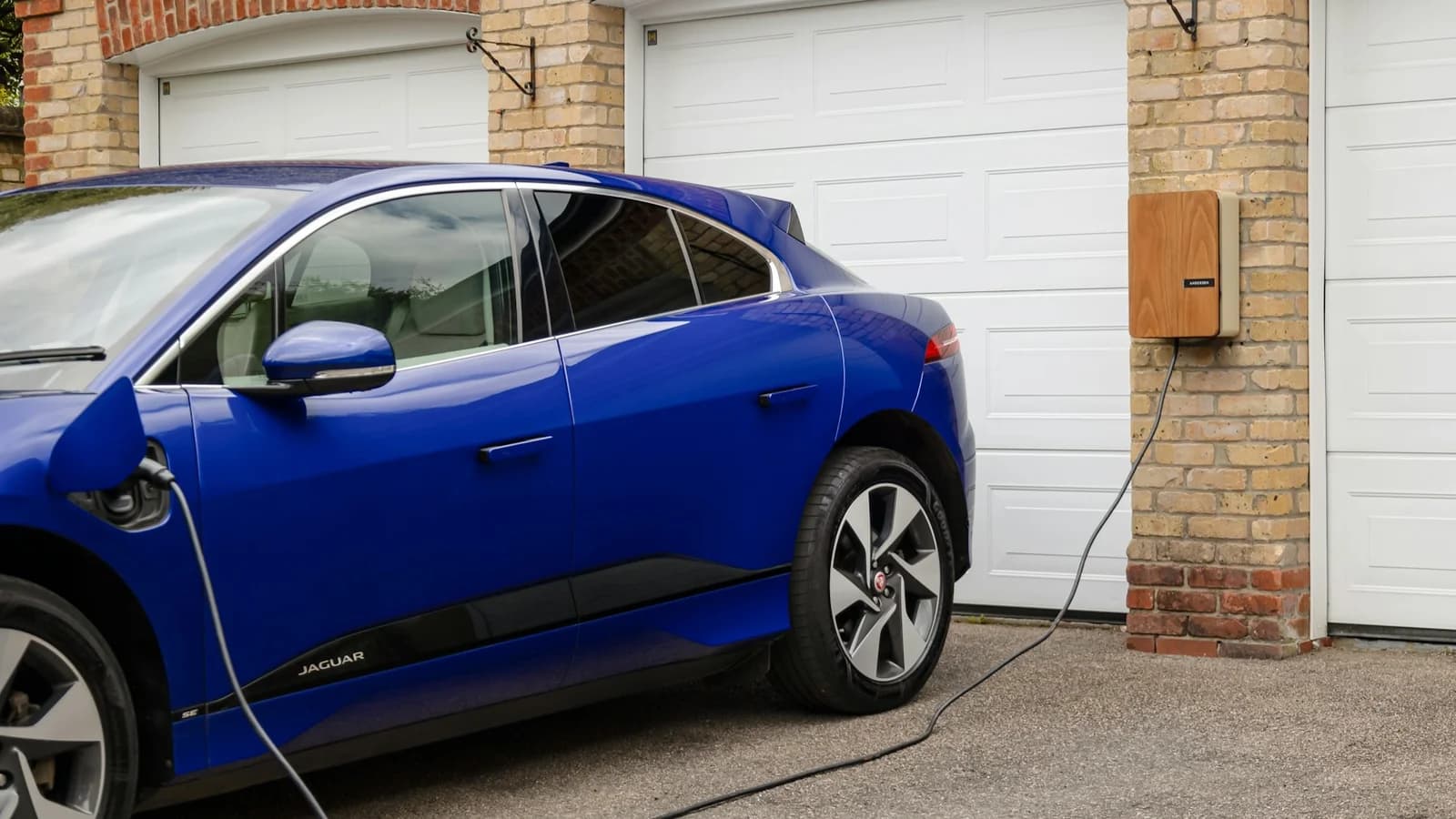
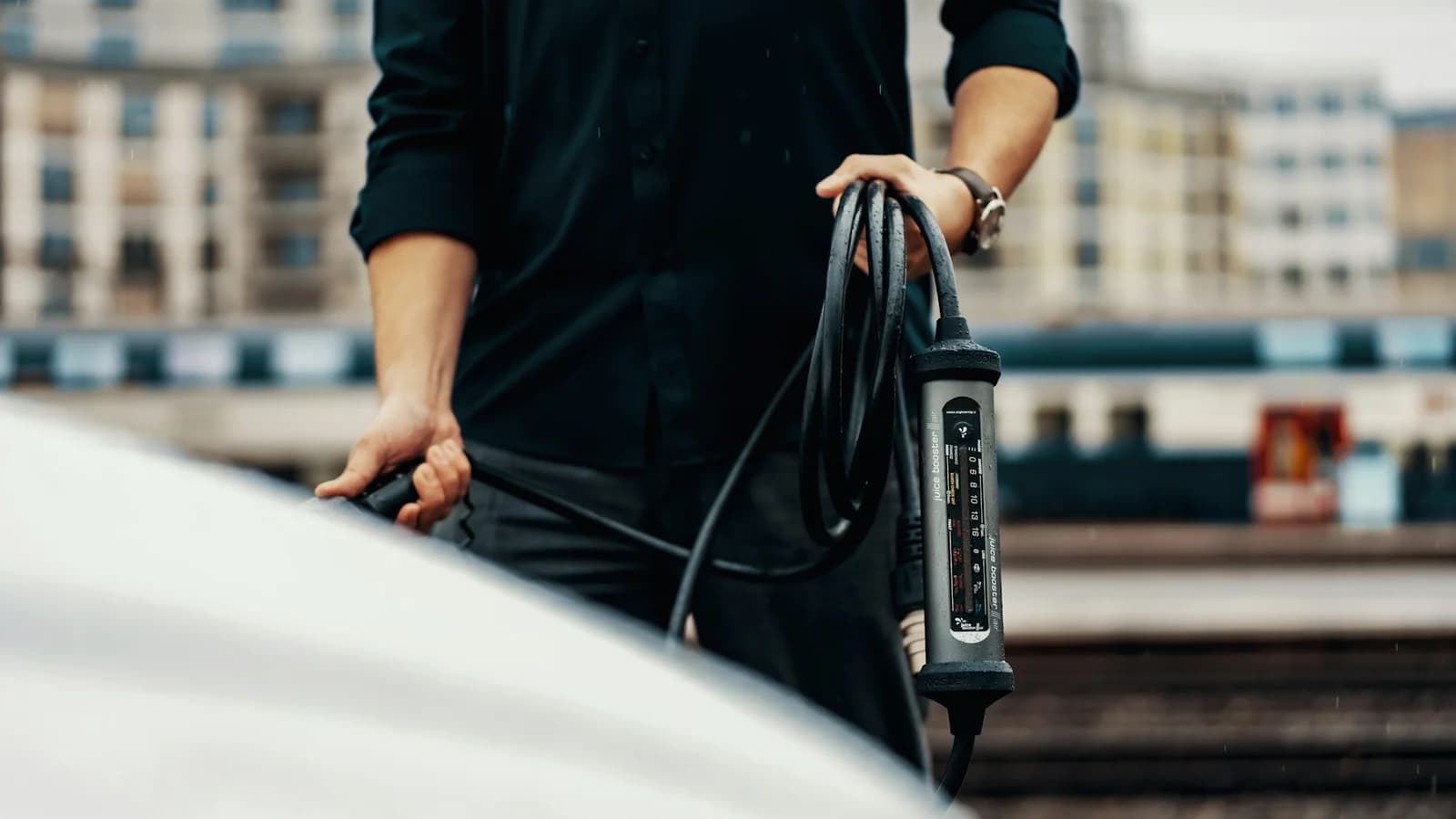
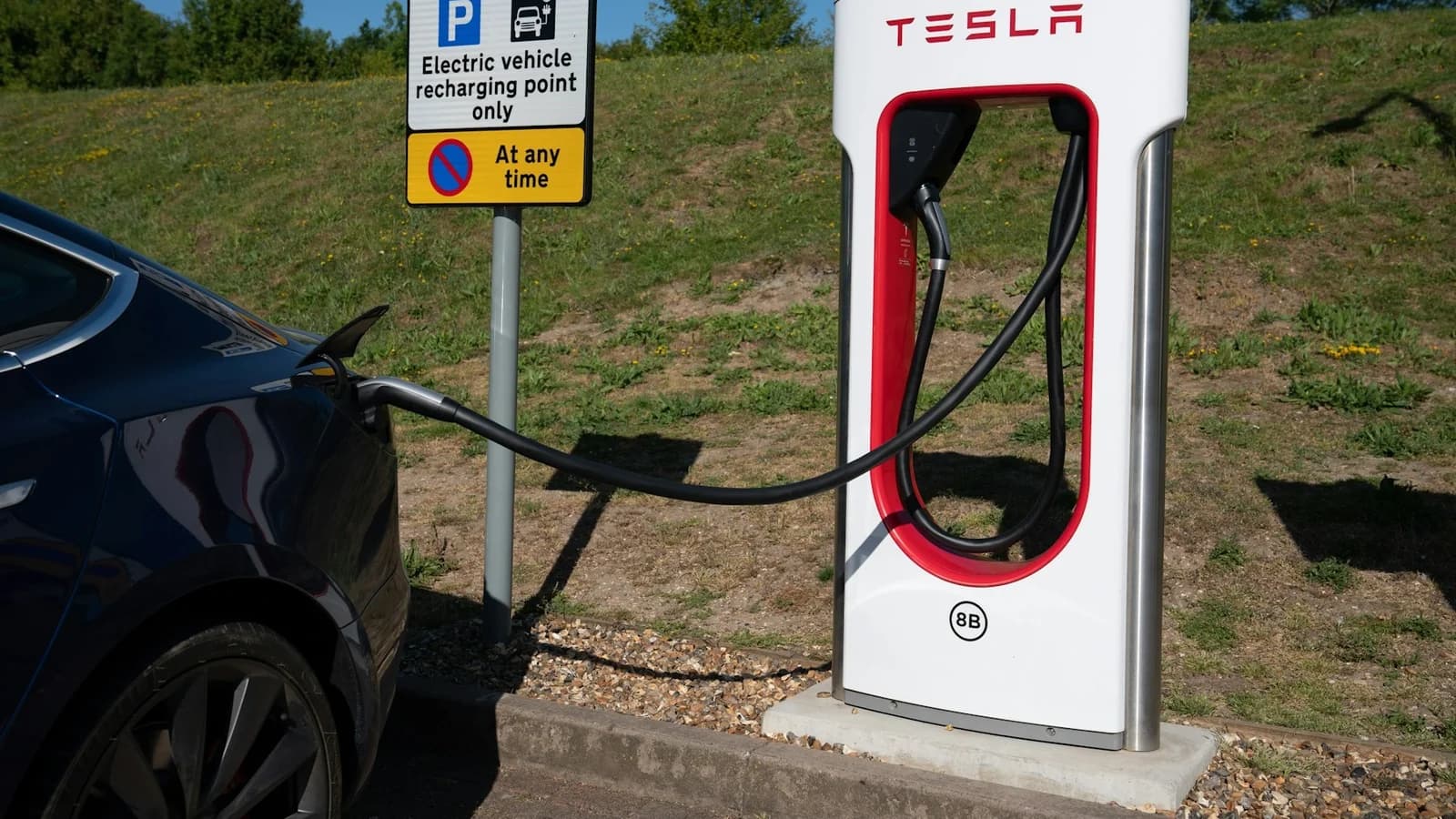
Fast-charging networks cover the corridors, but the places you actually sleep — family homes, cabins, small hotels, campgrounds — often have nothing but ordinary outlets. A portable EVSE converts those outlets into overnight range. On routes with thin coverage (rural regions, the Caribbean, mountain towns), it can be the difference between a relaxed trip and a tow.
What to look for
- Dual voltage (120 V/240 V): one unit that does Level 1 on any household outlet and Level 2 on a 240 V outlet — the core feature worth paying for.
- Interchangeable plug adapters: NEMA 14-50 (RV parks), 6-50 (welders/garages), and 5-15 (household) cover nearly every outlet you'll meet.
- Adjustable amperage: dialing down to 16–24 A protects older wiring at unfamiliar locations.
- IP65+ weather rating and a real thermal sensor in the plug head — non-negotiable for gear that lives outdoors.
- Cable length of 20+ feet — outlets are never where the charge port is.
Using one safely on the road
Ask before plugging into someone's dryer circuit, start at reduced amperage on unknown wiring, and check the plug head temperature after the first 15 minutes. If the plug or outlet is hot to the touch, lower the current or stop. RV park pedestals with 14-50 outlets are the gold standard — purpose-built for continuous high draw.
What it pairs with
A heavy-duty NEMA 14-50 extension cable extends your reach to distant outlets, and a dedicated carry case keeps the EVSE, adapters, and gloves organized instead of tangled in the trunk. Together they make a complete travel-charging kit that weighs less than a suitcase.