Decision 1: Amperage
Chargers are sold by output current: 32 A (~7.7 kW), 40 A (~9.6 kW), and 48 A (~11.5 kW) are the common tiers. Match this against your car's onboard AC limit — many EVs cap at 11 kW or lower, so a 48 A charger only pays off if your car (or your next car) can use it.
Rule of thumb: 40 A covers nearly everyone. Go 48 A if your panel has capacity and you want headroom; go 32 A if your electrical panel is tight and your daily driving is moderate.
Decision 2: Hardwired vs plug-in
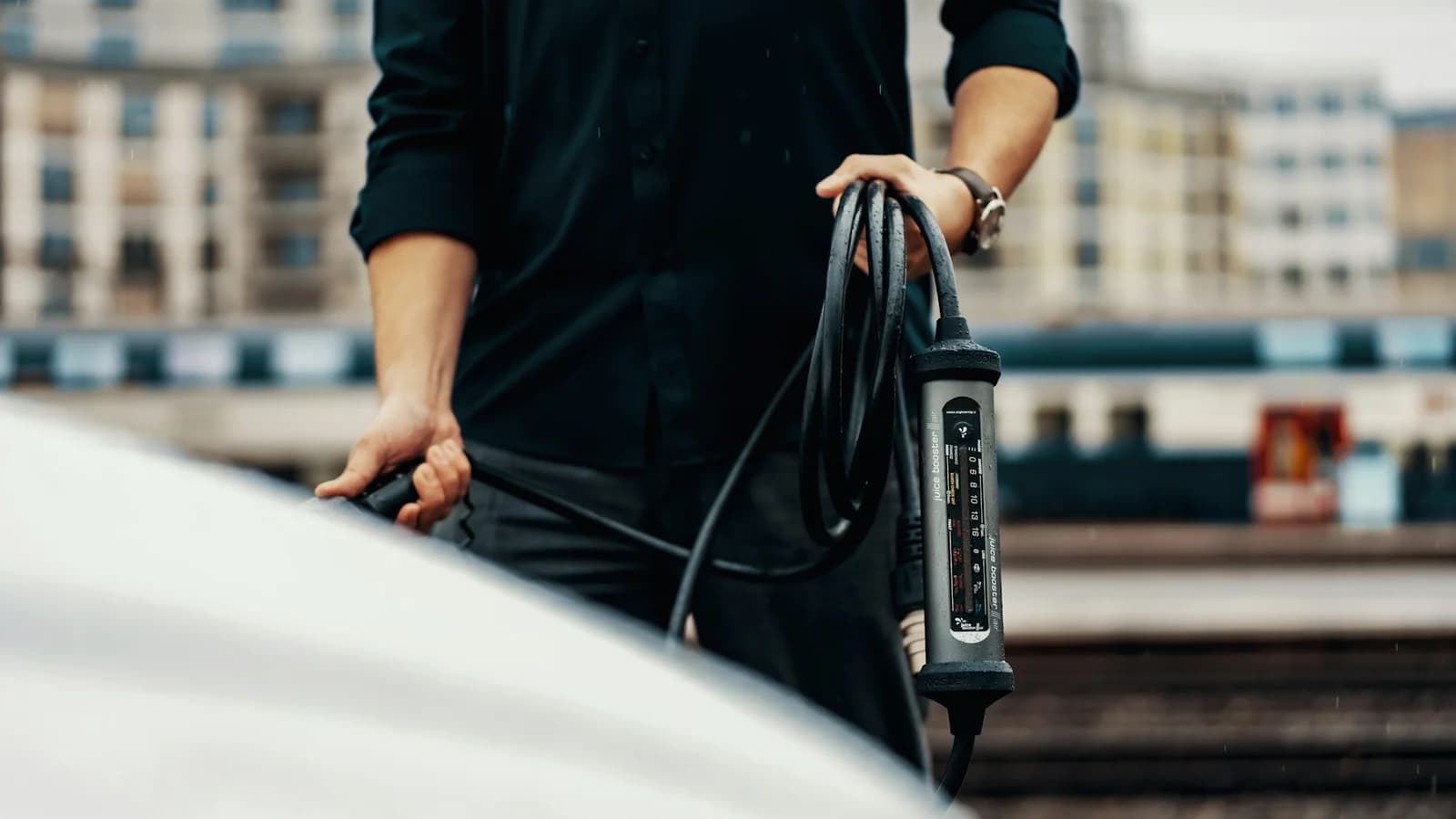
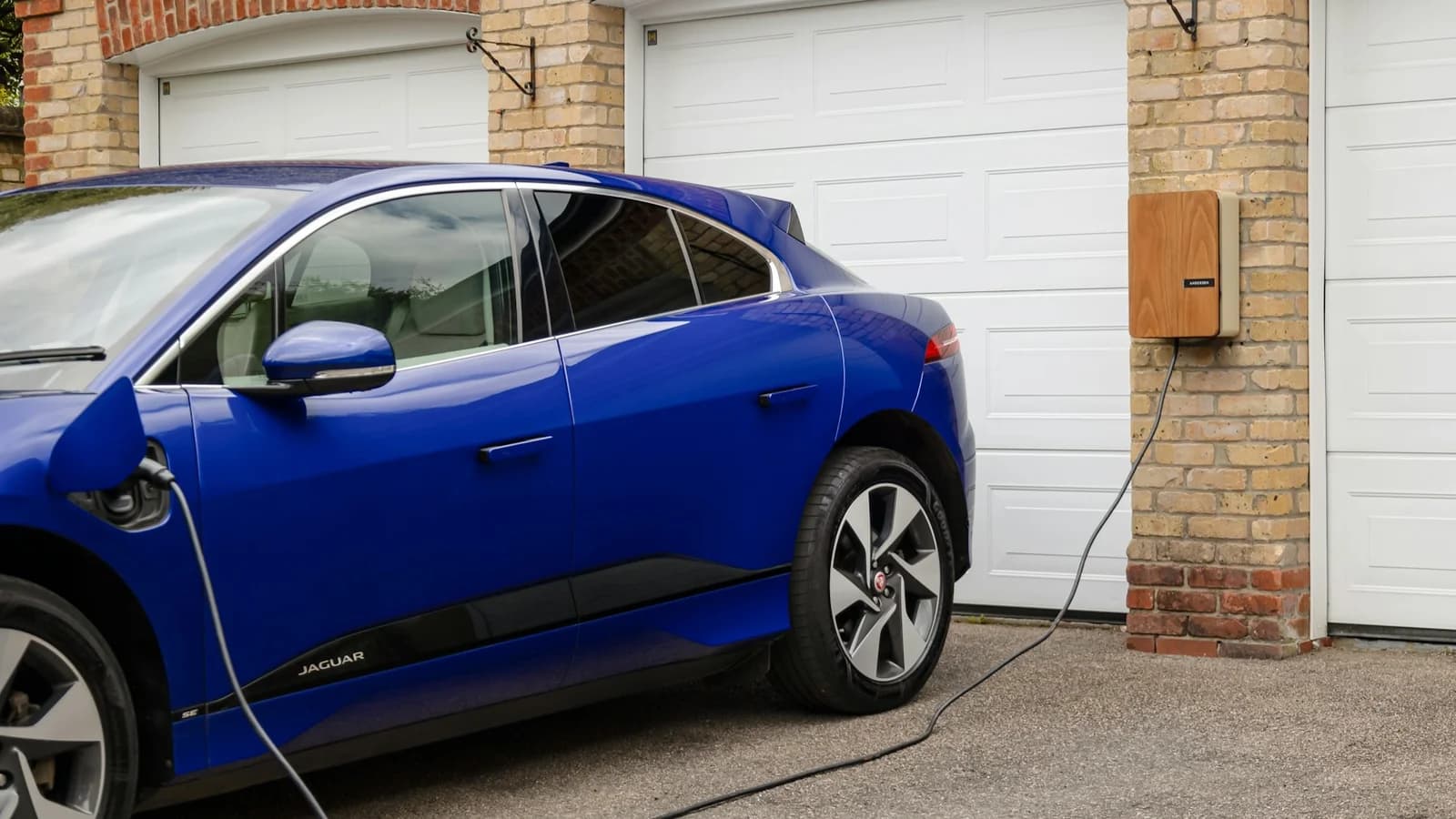
Plug-in units (usually NEMA 14-50) are portable, easy to replace, and simpler to install if you already have the outlet — but because EV charging is a continuous load, a 50 A outlet circuit limits you to 40 A of charging under the US National Electrical Code's 125% sizing rule. Hardwired units can run at 48 A on a 60 A circuit, look cleaner, and remove the outlet as a failure point. If you do use an outlet, ask for a heavy-duty, industrial-grade receptacle — cheap outlets are a known weak point under hours of continuous draw. If you're paying an electrician either way, hardwired is often the better long-term install.
Decision 3: Connector — NACS or J1772
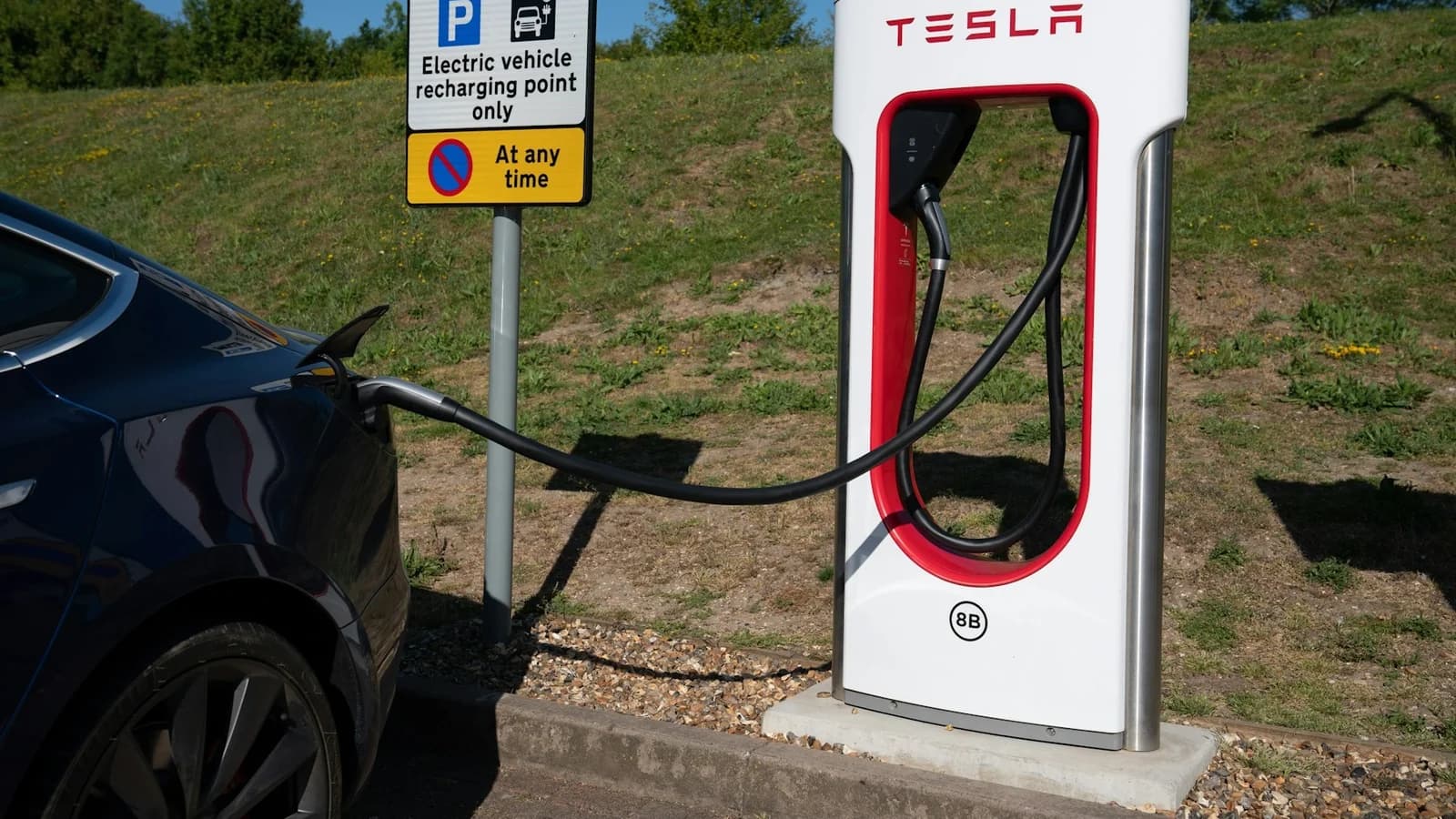
In North America the market is mid-transition. A J1772 charger works with every EV (cars with NACS ports via a J1772 adapter); a NACS charger is native for Teslas and the growing number of new EVs with NACS ports, with J1772-port cars needing a small adapter. Either choice plus an inexpensive AC adapter covers every car in your driveway — pick the connector matching your primary vehicle, and check whether your car came with an adapter before buying one. (Outside North America, home chargers use Type 2.)
Decision 4: Smart features
- Scheduling to charge on off-peak electricity rates — often the feature with the clearest payback if your utility offers time-of-use pricing (many cars can also schedule charging themselves).
- Energy monitoring — useful for splitting costs or claiming reimbursements.
- Load management — lets two chargers share one circuit, or protects a small panel.
- Wi-Fi app control — convenient, but make sure the charger still works if the app or cloud service goes away.
- Safety certification — look for a listing from a recognized testing lab (such as UL or ETL in North America); some utility rebates require it, or require specific approved models.
Installation costs
Costs vary widely by region and home. As a rough guide, quality 40–48 A charger hardware often sells for around $400–$800, and installation can run from a few hundred dollars for a short run next to the panel to well over $1,500 when the circuit is long or the panel needs an upgrade. Get at least two quotes from licensed electricians.
Check your utility and state or provincial energy office before buying — many utilities offer charger rebates, installation credits, or EV-specific rates, and some require specific approved models. In the US, the federal 30C tax credit for home charging equipment is no longer available for equipment placed in service after June 30, 2026, so don't budget on it for a new install.