
1. The connector adapter for your ecosystem gap
In North America, one adapter usually bridges you to the other side of the network: cars with NACS ports can reach CCS1 fast chargers (where the car supports it), CCS1 cars can reach compatible Superchargers with a manufacturer-approved adapter, and a J1772 adapter opens the large base of Level 2 chargers to NACS-port vehicles. Check whether your car came with an adapter first, and for DC fast-charging adapters, buy one your car's manufacturer approves and that is rated for your car's charging power — not the cheapest listing. In Europe, where CCS2 and Type 2 are standard, most drivers don't need an adapter at all.
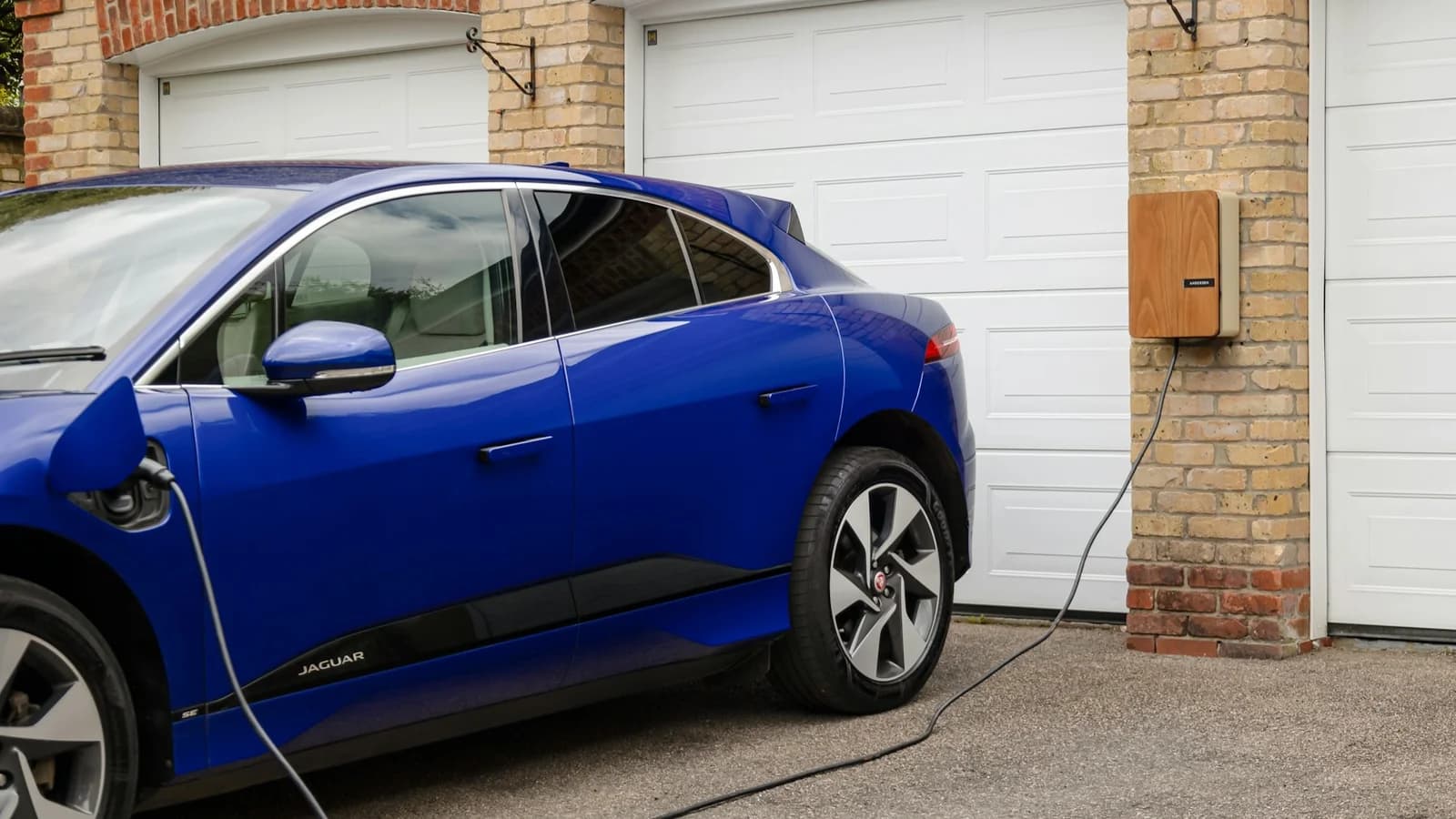
2. Level 2 home charging
If you have a driveway or garage, a Level 2 charger usually changes day-to-day ownership more than any other purchase. Even before a wall unit, a portable Level 2 EVSE that plugs into a properly installed 240 V outlet delivers much of the benefit and doubles as road-trip backup.
3. Cable management that survives daily use
- A wall-mounted cable holder keeps the connector off the ground and the cable out of the way of tires — dirt, water, and crushed cables are avoidable causes of wear and charging faults.
- A cable organizer bag for the trunk protects the portable EVSE and adapters.
- In cold climates, a connector holster keeps ice out of the plug.
4. Road-trip insurance
A tire repair kit matters more in an EV — many ship without a spare tire, and waiting for roadside assistance can take a while. Check what your car includes; if it's only a sealant kit, adding a quality 12 V compressor (and knowing how to use it) covers a common trip-ending problem.
What to skip
- Cheap unbranded adapters with no safety certification — the one place not to save money; they carry serious current.
- Plug-in "range extender" gadgets and dashboard solar chargers sold as a way to add driving range — a small panel produces a tiny fraction of the energy an EV uses.
- Screen protectors and accessory subscriptions before you've lived with the car a month — let real usage tell you what's missing.