
Skip to content
A little charge. A world of possibilities.
NewsContact usLog inSign up ↗
EV-Lectric
Plan a TripEV DriversBusinessEV GearResourcesCompany
Find a charger
EV-Lectric

A little charge. A world of possibilities. Find your next charging stop, get to know your EV, and enjoy the road ahead.

Drivers

Find ChargersHow It WorksEV GearGuidesNews

Businesses

For BusinessesAdvertiseList Your ChargerAboutContact

Legal

Privacy PolicyTerms of ServiceCookie PolicyAffiliate DisclosureData Sources

Account

My DashboardSign InCreate Account

As an Amazon Associate, EV-Lectric earns from qualifying purchases. Some links on this site are affiliate links — see our affiliate disclosure.

© 2026 EV-LectricCharging data by Open Charge Map ·
Home/Guides/EV Charging at Apartments and Condos
A charging pedestal and parked electric car outside a residential building.
Photo by JUICE on Unsplash
Charging BasicsOctober 4, 20267 min read

EV Charging at Apartments and Condos

Plenty of drivers don't have a private garage or driveway, and many of them drive EVs anyway. Apartment and condo charging takes more planning than charging in a driveway, but it's very workable — it just needs a different playbook.

Start with what your building already has

Walk the garage before assuming you have nothing: some buildings have existing outlets near parking spaces, and even Level 1 overnight charging can replace roughly 40–80 km of daily driving. Ask management whether an outlet can be assigned to your space and metered or billed at a flat monthly fee — an arrangement like that is often cheaper and more convenient than relying on public charging. Never plug into a common-area outlet without permission.

Making the case to your landlord or HOA

  • Lead with the building's interests: EV charging is an amenity many renters and buyers now look for, and it's easier to plan one well-designed installation than to field ad-hoc requests later.
  • Propose metered or flat-fee billing so the building never subsidizes your electricity.
  • Bring a licensed electrician's quote — concrete numbers move boards faster than concepts.
  • Check your jurisdiction's right-to-charge laws. Several US states — California, Colorado, and Florida among them — have laws limiting when condo associations, HOAs, or (in some states) landlords can refuse a resident's reasonable request to install a charger, usually at the resident's expense and subject to conditions like insurance and approved installation. Several European countries, including Germany, France, and Spain, give apartment owners a similar right. Coverage differs a lot between condo owners, HOA members, and renters, so read your state or country's actual rules.
  • Ask your utility about multifamily charging programs — some offer make-ready incentives or rebates that cover a share of the wiring for shared building chargers.
  • Suggest starting with one or two shared Level 2 ports rather than per-space wiring — lower cost, faster approval.

The no-building-support routine

Plenty of apartment EV owners never charge at home. The working pattern: anchor on workplace or garage Level 2 during hours you're parked anyway, add one planned DC fast session per week (paired with groceries or a gym visit), and treat destination charging — malls, cinemas, restaurants — as opportunistic top-ups. It's a laundry-day rhythm, not a daily chore.

Gear that helps renters specifically

A portable Level 2 EVSE is the renter's best friend: it uses whatever outlet you can legitimately access today and moves with you at lease end — no stranded installation. Pair it with the connector adapter your car needs so more of the public chargers in town are on your menu.

FAQ

Common Questions

Can my landlord refuse to let me install a charger?

It depends on where you live and whether you rent or own. Right-to-charge laws in a number of US states and some other countries restrict when condo associations, HOAs, or landlords can refuse a reasonable installation at your cost, but many laws cover owners only, and the conditions vary. Where no law applies, a well-prepared proposal — metered billing, an electrician's quote, and an offer to cover insurance and removal — gives you the best chance.

Is weekly fast charging bad for my battery?

Modern EVs are designed to handle regular DC fast charging, and a session or two a week isn't something most owners need to worry about. Relying heavily on fast charging is generally thought to add some extra battery wear over time, so mix in Level 2 when you can and follow your manufacturer's guidance.

Is an EV practical without any home charging?

Yes, if public infrastructure near your routine is decent. Check the locator around your home, work, and gym before buying — if you see healthy Level 2 and a fast hub within ten minutes, the routine works.

Recommended Gear

Gear That Pairs With This Guide

As an Amazon Associate, EV-Lectric earns from qualifying purchases.

Lectron Level 2 J1772 Charger (WiFi Version)
Chargers

Lectron Level 2 J1772 Charger (WiFi Version)

A portable Level 2 charger for drivers who want app-connected home charging without a permanent wall-box install.

Price on AmazonView product
EVIQO Level 2 NACS Charger Compatible with Tesla
Chargers

EVIQO Level 2 NACS Charger Compatible with Tesla

A Tesla-ready home charger for NACS drivers who want a clean Level 2 setup without relying on adapters.

Price on AmazonView product
EVIQO EV Charger Level 2 48 Amp Hardwired Station
Chargers

EVIQO EV Charger Level 2 48 Amp Hardwired Station

A higher-output home charging station aimed at drivers who want a more permanent garage setup with strong daily charging capacity.

Price on AmazonView product
Keep Reading

Related Guides

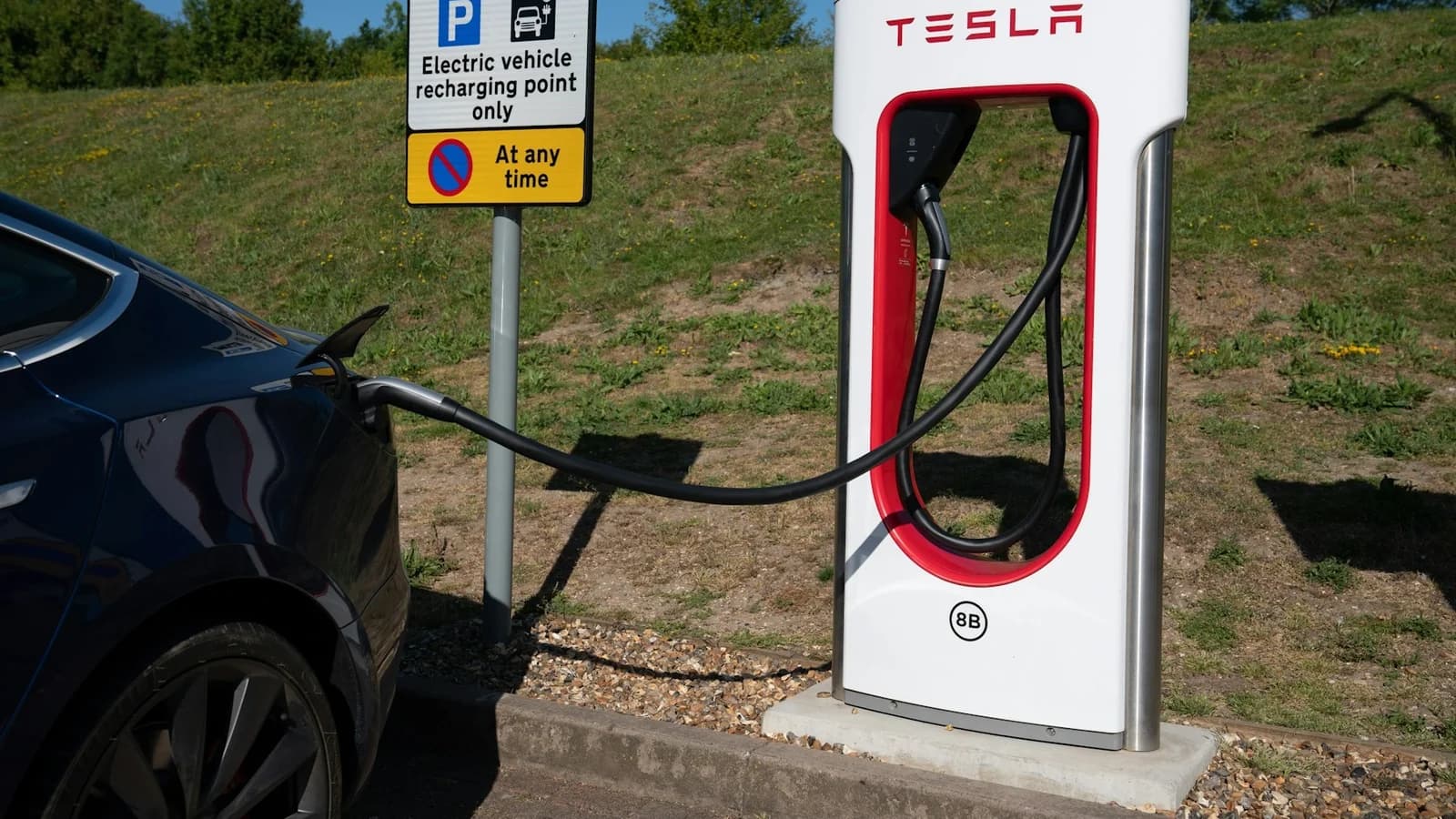
A Tesla connected to a Supercharger beside an EV charging bay sign.Charging Basics

Level 1 vs Level 2 vs DC Fast Charging

What EV charging levels actually mean in hours and miles: when a wall outlet is enough, when to install Level 2, and how to use DC fast charging well.

Read guide
A driver using charging equipment beside an electric car at a public station.Charging Basics

What to Do If a Charger Is Broken

A field guide for failed charging stops: quick fixes worth trying, how to report broken chargers, and how to plan so one dead station never strands you.

Read guide
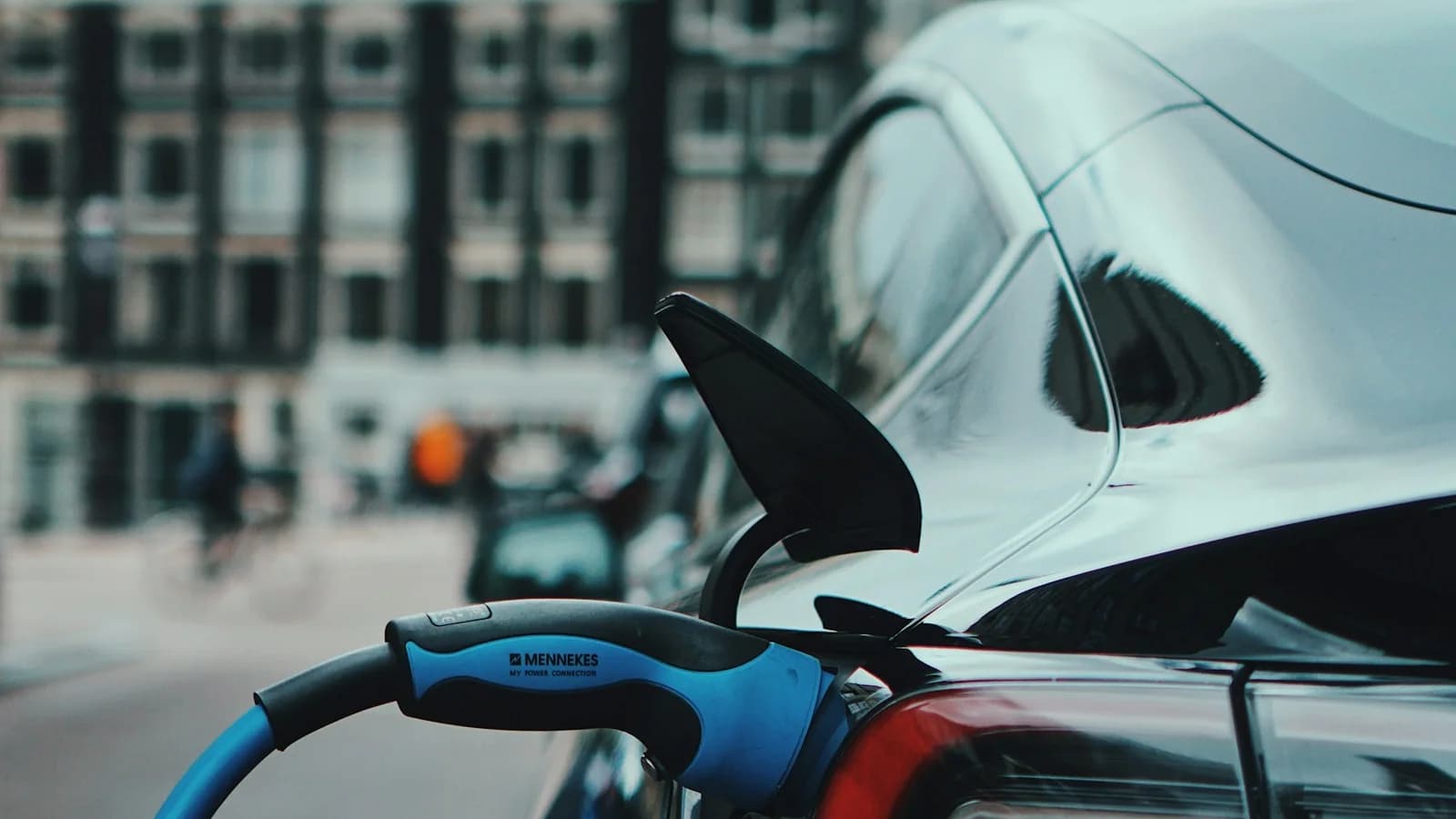
An electric car connected to a blue charging cable on a city street.Charging Basics

How to Find EV Chargers Near You

A practical walkthrough of finding reliable EV charging stations near you — filters that matter, reading station details, and avoiding dead chargers.

Read guide