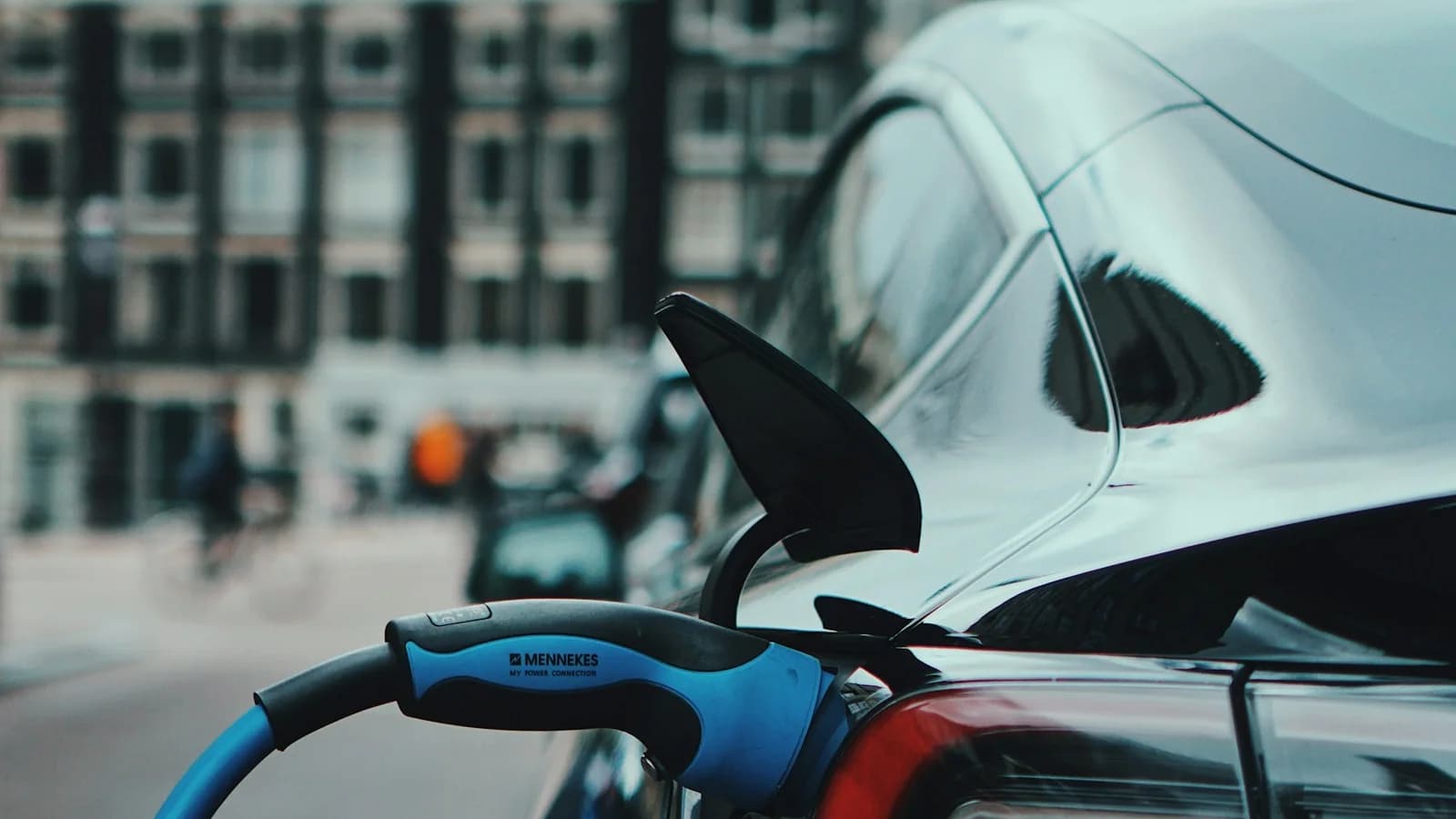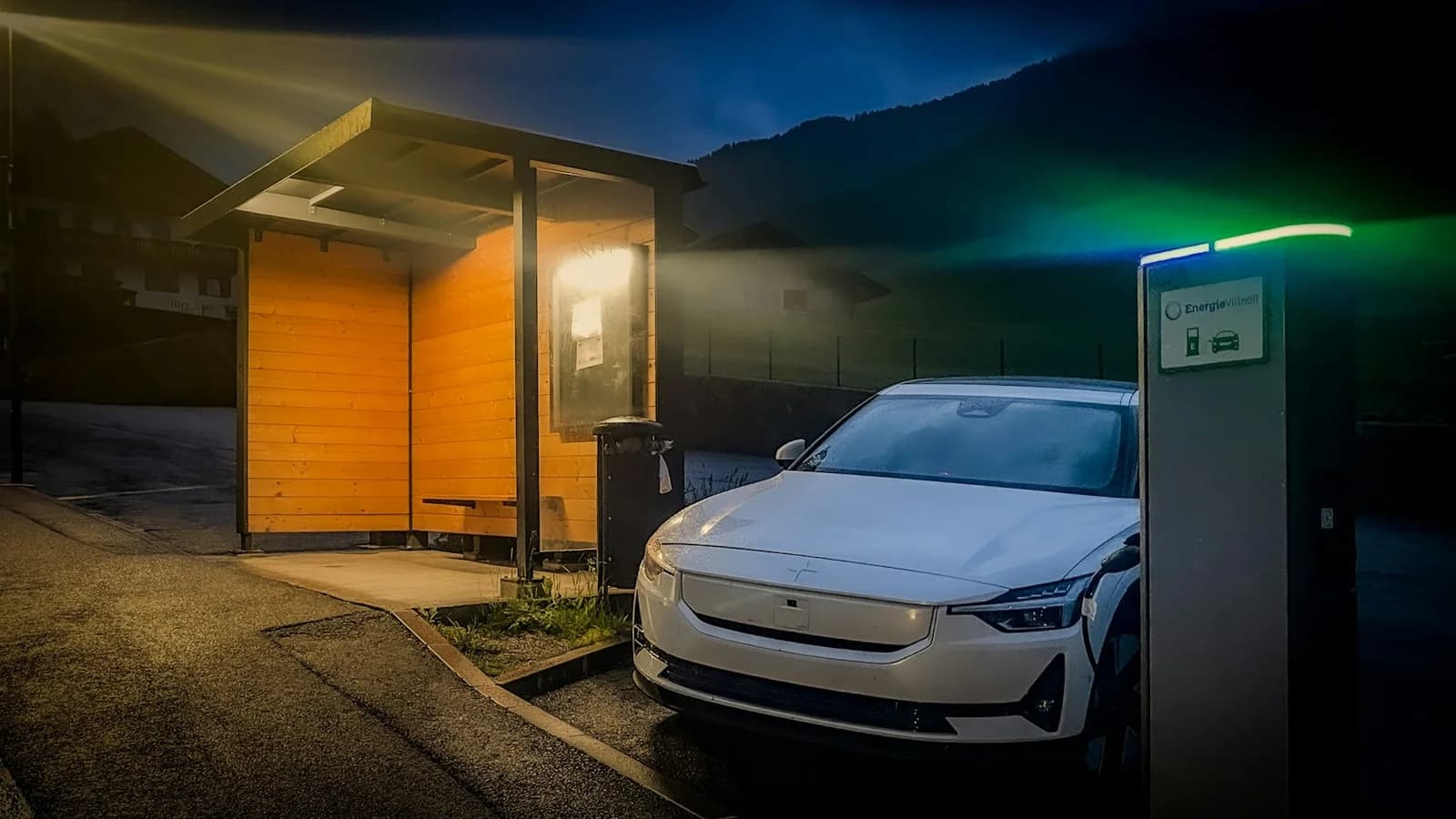
Type 2
The dominant connector — thousands of street-side and garage AC charging points across the city (bring your own cable for socket-only posts).
Berlin has a large public charging network built around street-side Type 2 charging. According to Berlin Partner, citing the Berlin Energy Atlas, the city had more than 7,000 publicly accessible charging points as of March 2026, and the city government counted more than 3,500 in public street space in early 2026. That makes Berlin a good example of curbside charging for residents without private parking.
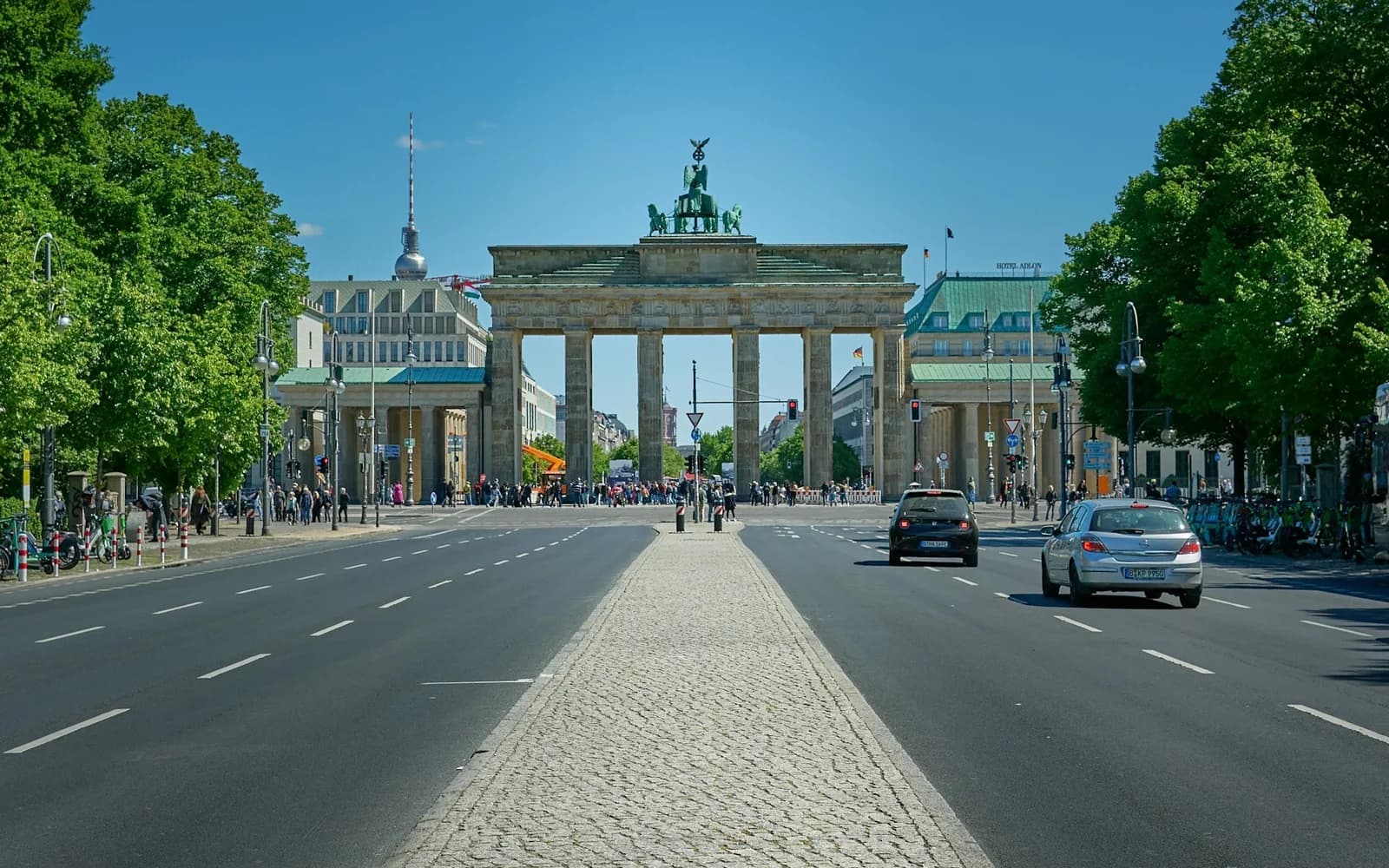
For faster stops, CCS2 fast chargers operate at retail sites, dedicated charging parks, and along the autobahns leaving the city, including the A10 ring around Berlin.
The dominant connector — thousands of street-side and garage AC charging points across the city (bring your own cable for socket-only posts).
The fast-charging standard at urban hubs and autobahn service areas; DC chargers always have the cable attached.
Legacy support at some older fast-charging sites; check station details if your car depends on it.
The EV-Lectric locator shows live station data for Berlin — connector types, charging speed, network, and directions for every public charger in the area.
As an Amazon Associate, EV-Lectric earns from qualifying purchases.
 Category photo
A travel-friendly storage option for portable EVSE gear, adapters, and gloves when charging on the road.
 Category photo
A useful adapter category for drivers moving between mixed public infrastructure and newer NACS-compatible vehicles.
For many AC street posts, yes — they're socket-only Type 2. DC fast chargers always have attached CCS2 cables. A Type 2 cable rated for your car's maximum AC power (a 22 kW-rated cable covers any car) is the most useful accessory for German city charging.
Yes. Under the EU's Alternative Fuels Infrastructure Regulation, chargers installed since April 2024 must allow ad-hoc payment without a contract, and new fast chargers of 50 kW or more must accept payment cards. Older posts may need an app or roaming card, so it's worth setting one up before you arrive.
Generally easy. Germany's autobahns have high-power CCS2 charging at many service areas and nearby sites, and 150 kW-plus chargers are common on major routes, making Hamburg, Leipzig, or Munich manageable legs with a stop or two depending on your car.
A practical walkthrough of finding reliable EV charging stations near you — filters that matter, reading station details, and avoiding dead chargers.
Read guideThe three fast-charging connectors compared: which cars use NACS, CCS, and CHAdeMO, what's changing in North America, and which adapters are worth buying.
Read guidePlanning an EV road trip end to end: route buffers, charging stop strategy, hotel destination charging, and the gear that saves a trip.
Read guide